Bring the Spirit of Lemonading into your Garden
Cape Town gardens can bring about unique challenges. From excessive winter rain and intense wind to sandy soil and awkward layouts, your outdoor space may feel more like a problem than a canvas for potential. But what if instead of viewing them as limitations, you embraced imperfection and turned lemons into lemonade?
1. Rethink your Lawn
If you are having problems with growing your lawn, this is a great clue that it’s time to rethink what your lawn is trying to tell you. Looking after the average lawn in Cape Town often requires high water consumption. Instead of constantly chasing green grass, shift your perspective and consider:
- Gravel and Stone: Replace patchy, unrevivable sections of grass with gravel, stone, or beautiful stepping stones
- Defined Zones: Create defined zones to plant groundcovers and planting beds
- Hardy Grasses: Introduce different, hardier grasses like buffalo grass or durban cowfoot grass
Overall, reducing your lawn size is not a negative. In fact, it simply gives you more space for purposeful design features and creates a more low-maintenance garden.
2. Work with the Wind
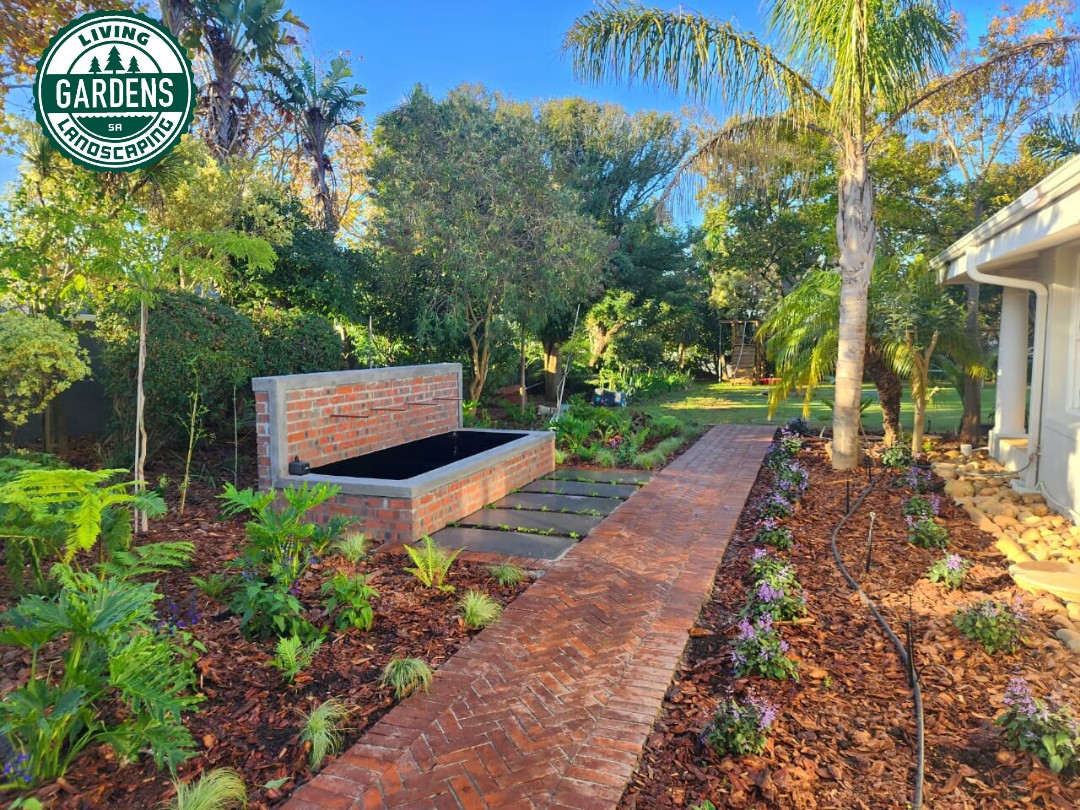
One of the most common problems in Cape Town is the harsh wind. However, it is not something you can completely control. So rather than obsessing over eliminating it entirely, focus on softening its impact using these tips and tricks:
- Sheltered Spaces: Design sheltered spaces for outdoor entertaining areas and seating
- Layered Planting: Try layered planting (low, medium, tall)
- Screening Plants: Include hedging or screening plants (dune crowberry, blombos, Coastal Silver Oak)
Because of the relentless wind, there are many tough, indigenous plants (Cape Leadwort, spekboom, Bird of Paradise) that are naturally built to withstand it, making them perfect to plant in any overly exposed areas of your garden.
3. Plant Smarter, Not Harder
Lemonading is all about making the most of your garden. That means concentrating on what plants naturally want to grow there, rather than forcing any that don’t. With the rainy season in full swing in Cape Town, indigenous and water-wise plant species can truly flourish with minimal intervention. Here are some plants to focus on adding to your garden:
- Hardy Shrubs: African bush daisy, wild rosemary, and Leucadendron
- Succulents: Spekboom, jade plant, and pig’s ear
- Flowering Plants: Aloe species, fynbos heathers, and indigenous geraniums
- Structural Plants: Agapanthus, wild iris, and restios
Consider the winter season in Cape Town as an ideal time to plan your garden in advance. With the soil being hydrated naturally and less plant stress because of lower temperatures, you can grow indigenous plants and flora now and set up your garden before the warmer weather returns.
4. Turn Problem Areas into Focal Features
No garden is perfect; they all have their problems, be it that dry patch, narrow side passage with no sun, and the awkward slope where nothing works. Don’t view these areas of your garden as a problem; instead, use them as a design opportunity. Think:
- Turning a dry patch into an aesthetic gravel courtyard
- Turning a narrow no-sun side passage into a structured green corridor using paving and shade-tolerant plants (Clivia miniata, bird’s nest fern)
- Turning an awkward slope into a cascading landscape with stepped planting bands
When used correctly, these parts of your garden often become the most beautiful spaces and are filled with character.
Lemonading is the Secret to a Better Garden
Your garden does not need to be perfect to be beautiful. It is all about embracing aspects like the landscape, working with the elements, respecting the climate, and choosing plants that belong.